A PRECIOUS RESOURCE
WATER
Water is a precious resource, and this naturally applies to the production of concrete elements as well.
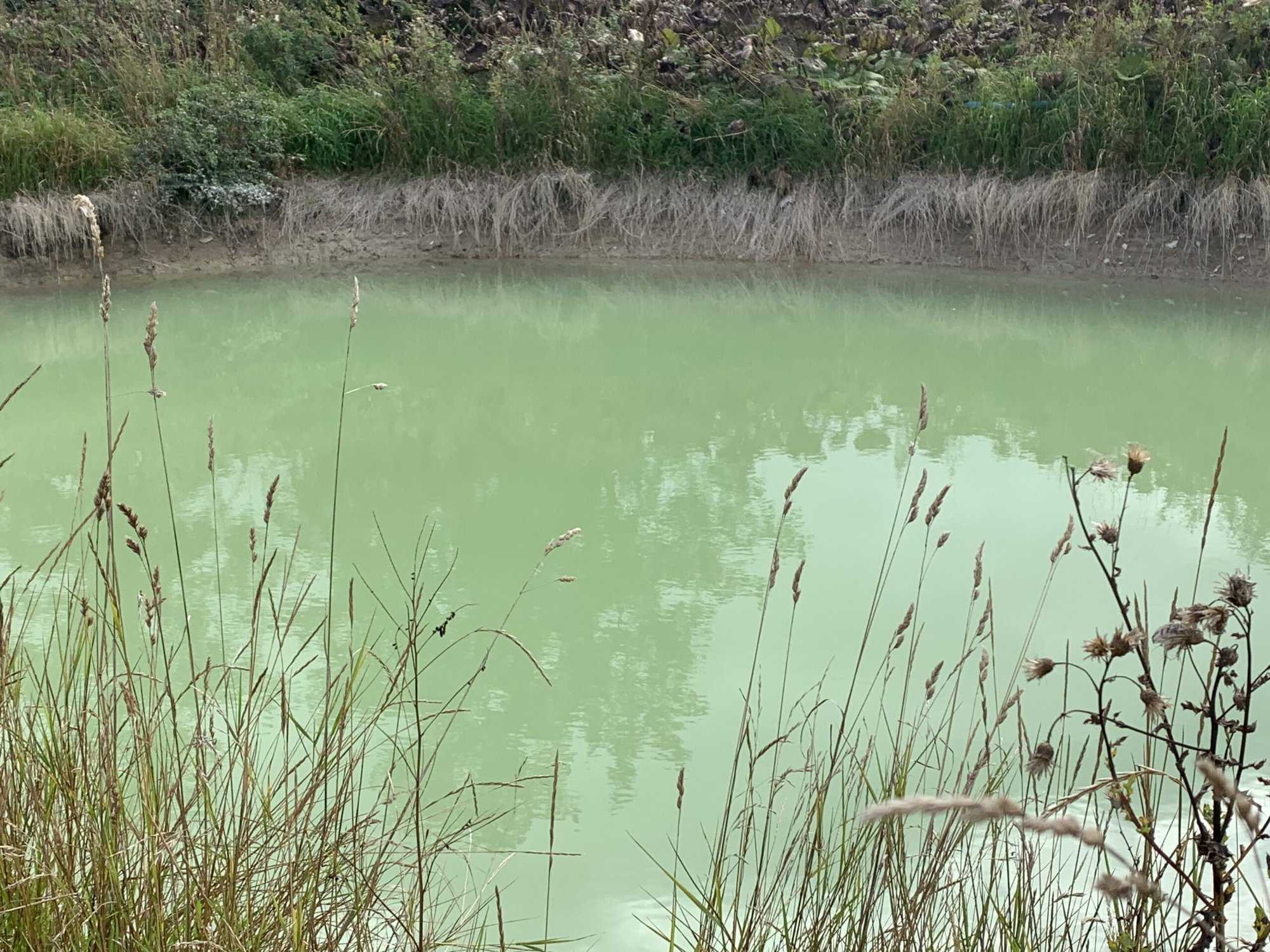
CRH Denmark has therefore been working for some time to reduce the consumption of resources in production. We reuse large quantities of the water used in the production process, and a large proportion of the water we use in the various production processes comes from the collection of surface water on the factory grounds, or alternatively from the roof, where the water is gathered.
Once the water has passed through the production process — having been used in connection with the cutting of hollow core slabs, for example — it becomes highly alkaline.
If the water is then to be reused in production, it requires treatment in order to restore its natural balance. CRH Denmark has found a solution to this, namely adding CO₂ to the water. This restores the water’s natural pH value, and the only by-product of the addition is lime.
“In principle, CO₂ can be added to the water without limitation. If more is added than the water can absorb, it will simply remain in the neutralisation system until new water arrives,” says Lars Reimer, Technical Manager at CRH Denmark.
USING SURFACE WATER
When we have collected water from roofs, car parks and storage areas — including at our factory in Viby — we use it in production. Once the water has been used and has consequently become alkaline in the production process, we treat it and add CO₂ so that it regains its natural balance.
“We have been doing this for a couple of years, so it is a process that is continuously evolving. The water binds CO₂, but it also conserves water, which is necessary in a number of the processes involved in the production of concrete elements. Previously, acid was added to the water to achieve the correct pH value in the recycled water, but with this new method we no longer need to use acid, which is of course an environmental advantage,” explains Lars Reimer.
CRH Concrete continuously develops areas within production where treated and CO₂-neutralised water can be reused, so this is a method that will spread across various processes as familiarity with it grows.